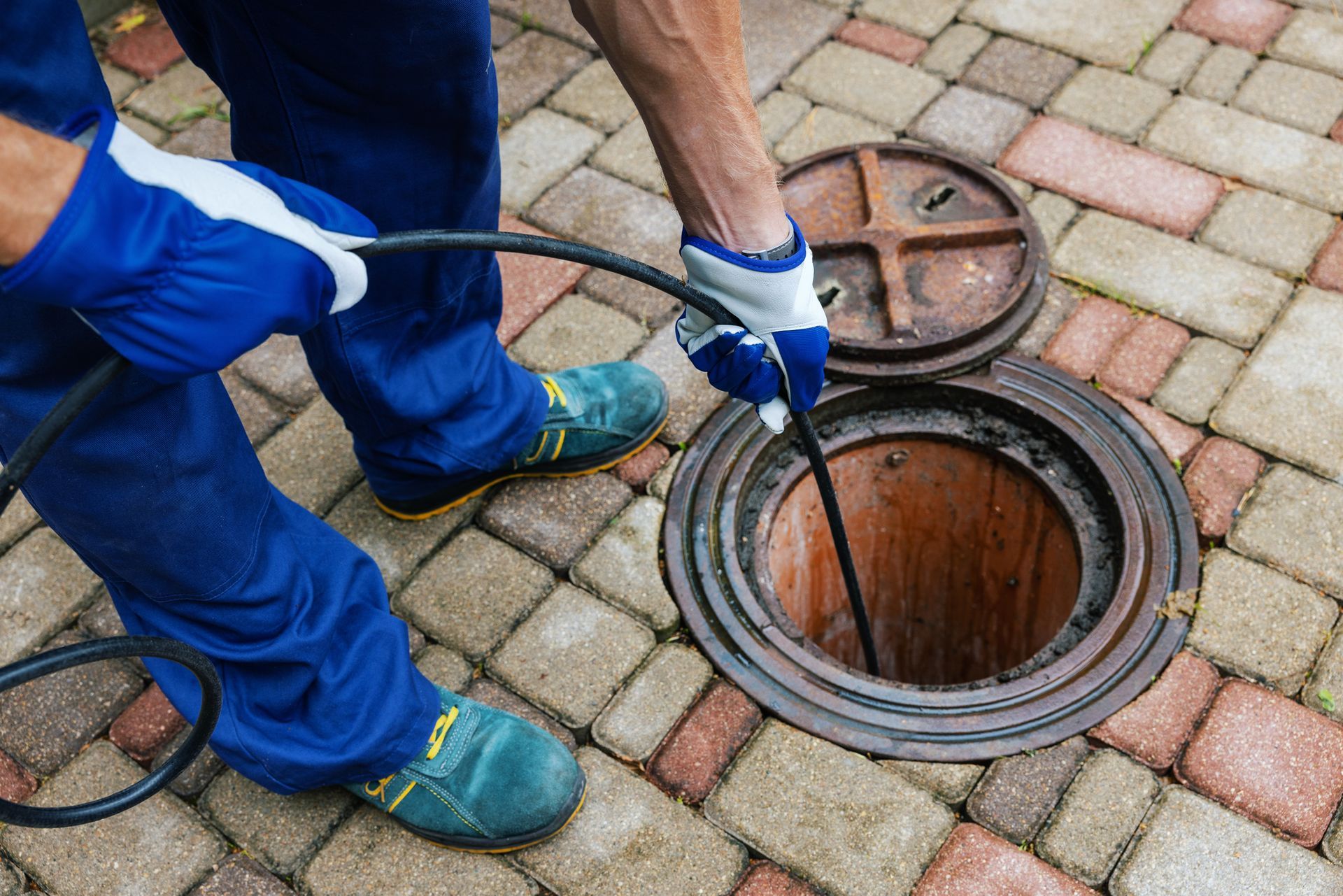

What to Expect During a Septic Tank Service Visit
Knowing what happens during a septic tank services visit can make the day far less stressful. Many property owners are unsure what the crew will do, how long it will take, or what they should prepare. This guide walks through a typical visit step by step, so you know what to expect. Have questions before you book? Call (910) 858-0097 to speak with our team.
Step One: The First Call
Every septic tank services visit starts with a phone call. Describe the symptoms you have noticed, such as slow drains, odors, or wet spots near the drain field. Share the service you think you need, and mention how long the system has been in use. The office uses this information to plan the right type of visit and the right equipment.
Be honest about what you know. Even small details, like when the problem started, can help the team find the cause faster.
Step Two: Arrival and Locating the Tank
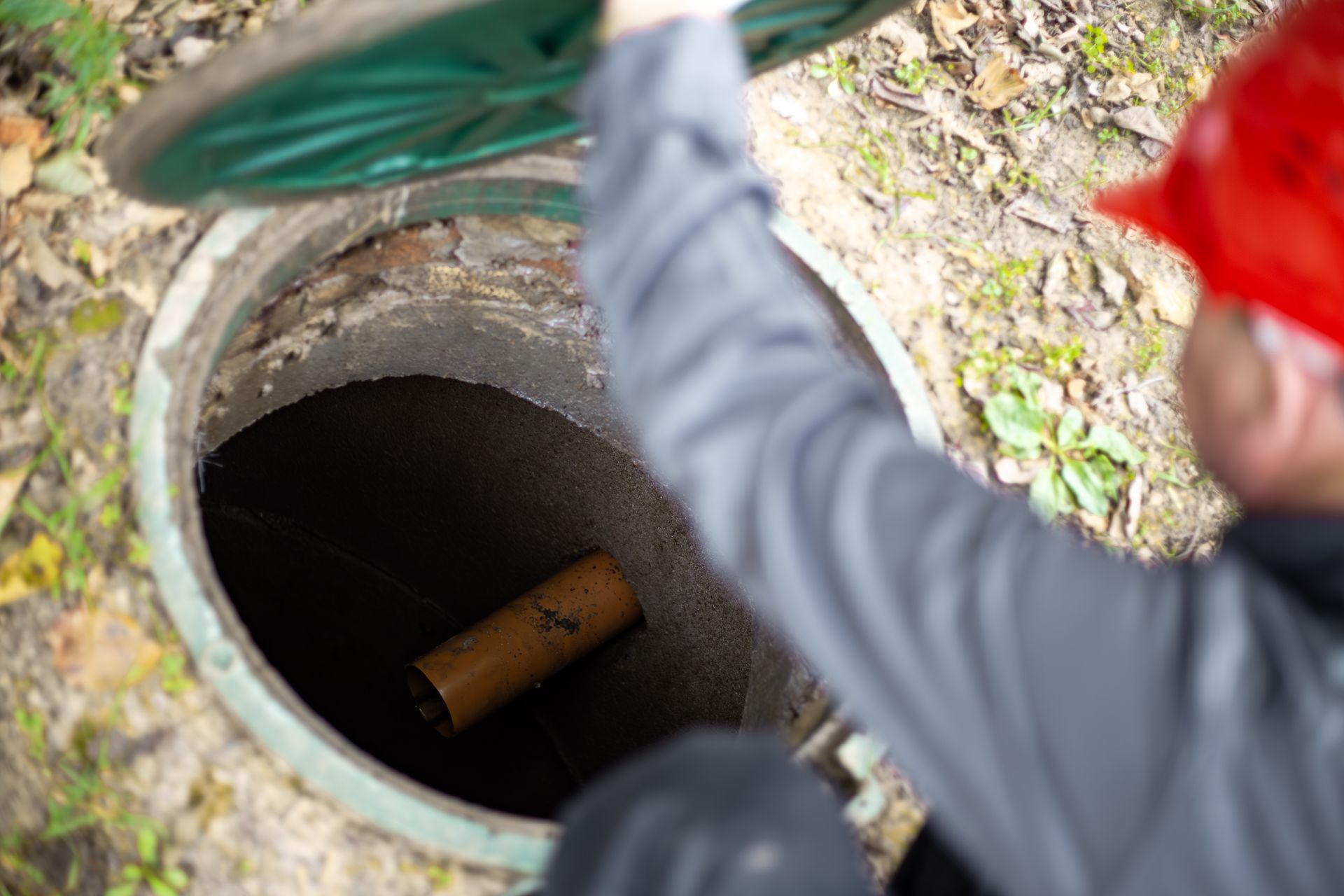
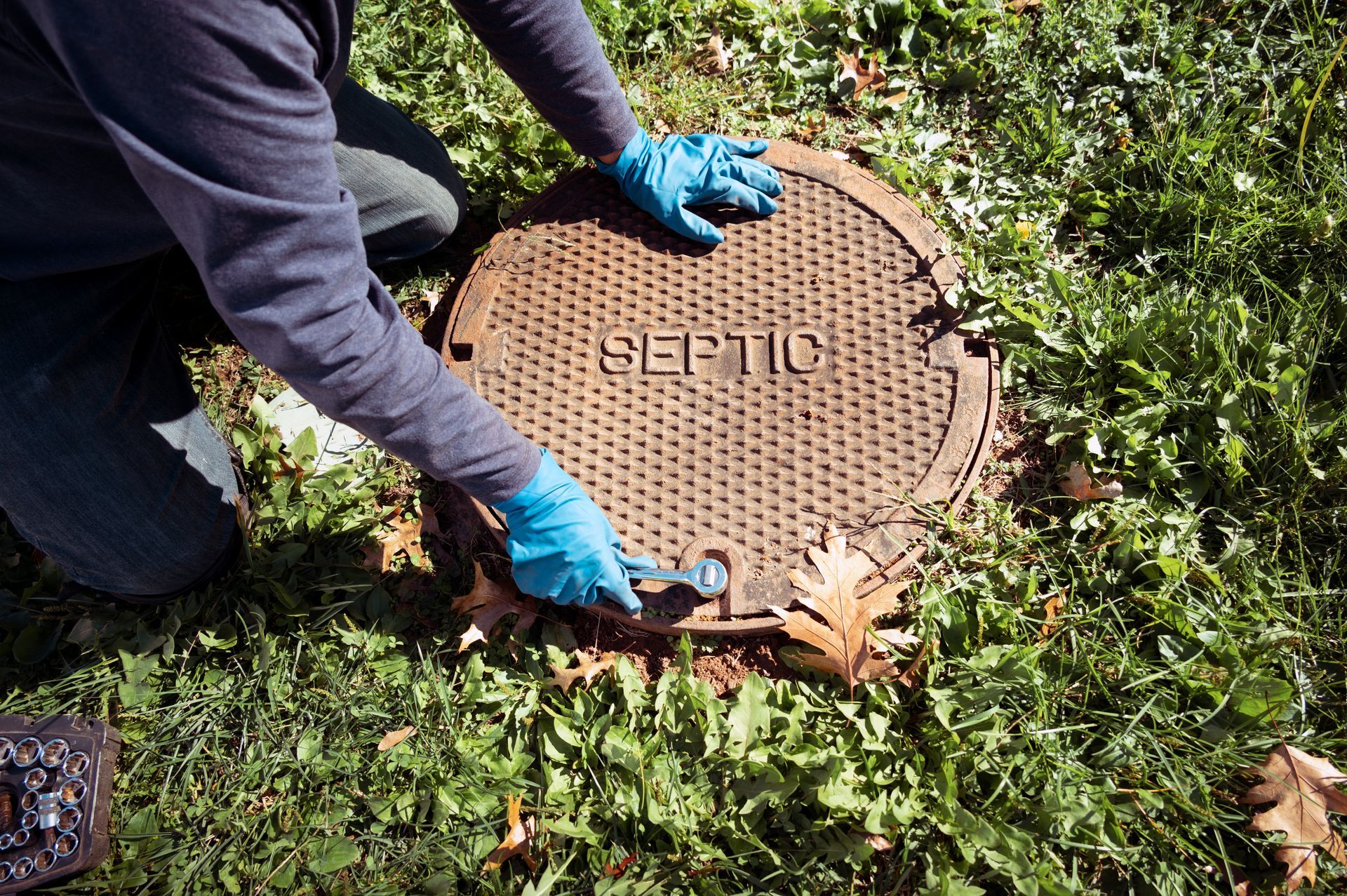
When the technician arrives, the first task is to locate the septic tank. Some tanks are easy to find, while others are buried under lawn or landscaping. Tell the technician where you believe the tank is, if you know. Keep pets and children away from the work area for safety.
Locating the tank is important because it sets up the rest of the visit. The team needs clear access to the lid and the surrounding ground before any work can begin.
Step Three: The Examination
Next, during this septic tank services visit, the technician examines the tank and the system. A standard examination can include a look at the tank condition, the access points, and the drain field. The team may also check the inlet and outlet pipes for blockages or damage. Each item helps show how well the system is working.
Some visits include equipment testing to confirm that the system operates as it should. The findings are recorded so you can review them later. A written record is useful when you plan future service.
Step Four: Explaining What Was Found
After the examination, the technician should explain what was found. You should hear the cause of any problem in plain language. The explanation should also include the options available to you. Ask questions at this stage. A good explanation leaves you with a clear picture of the system and the next steps.
If the findings show that no work is needed right now, the technician should say so. Routine inspections often confirm that a system is in good shape. That news can be just as valuable as a repair.
Step Five: The Work Itself
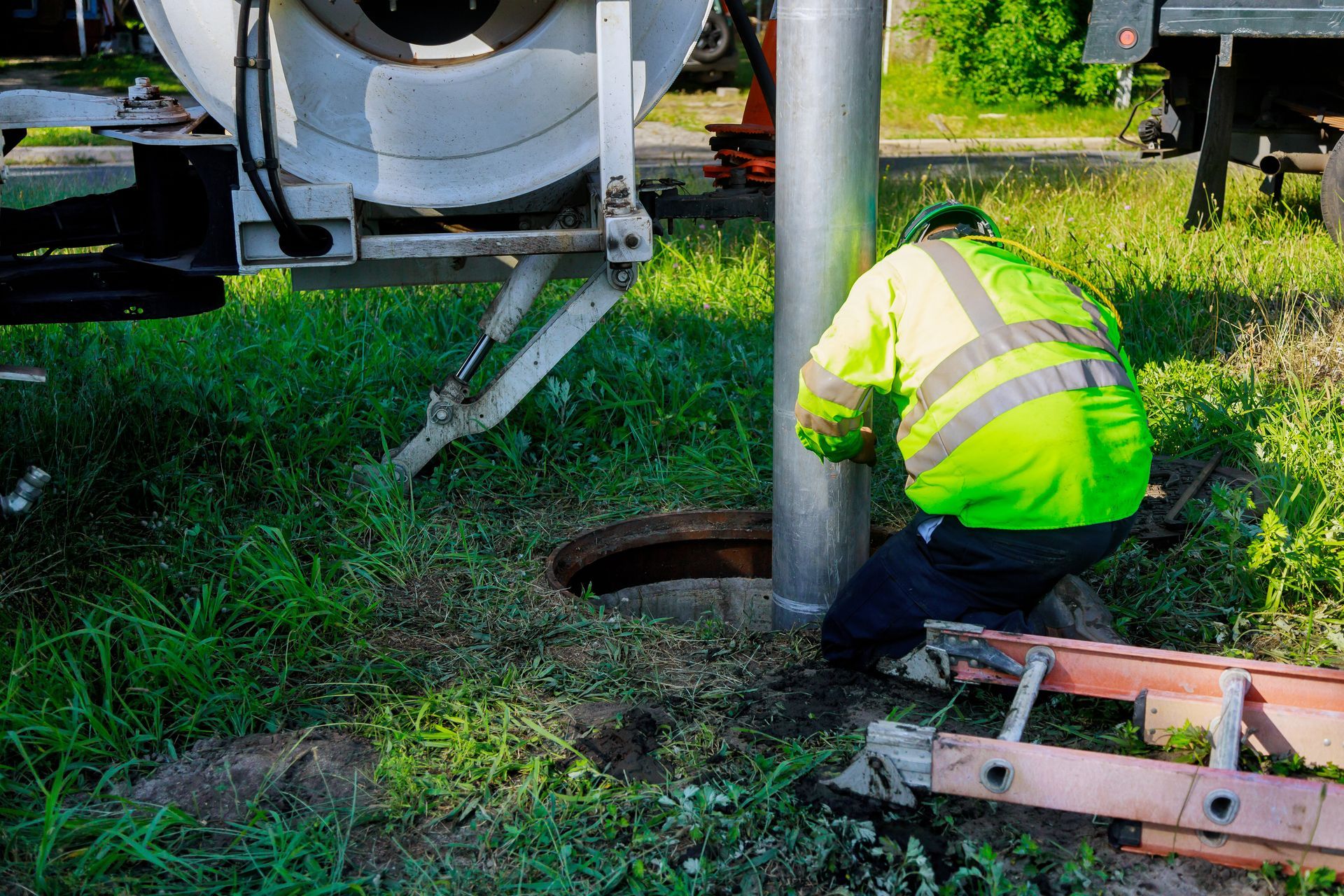
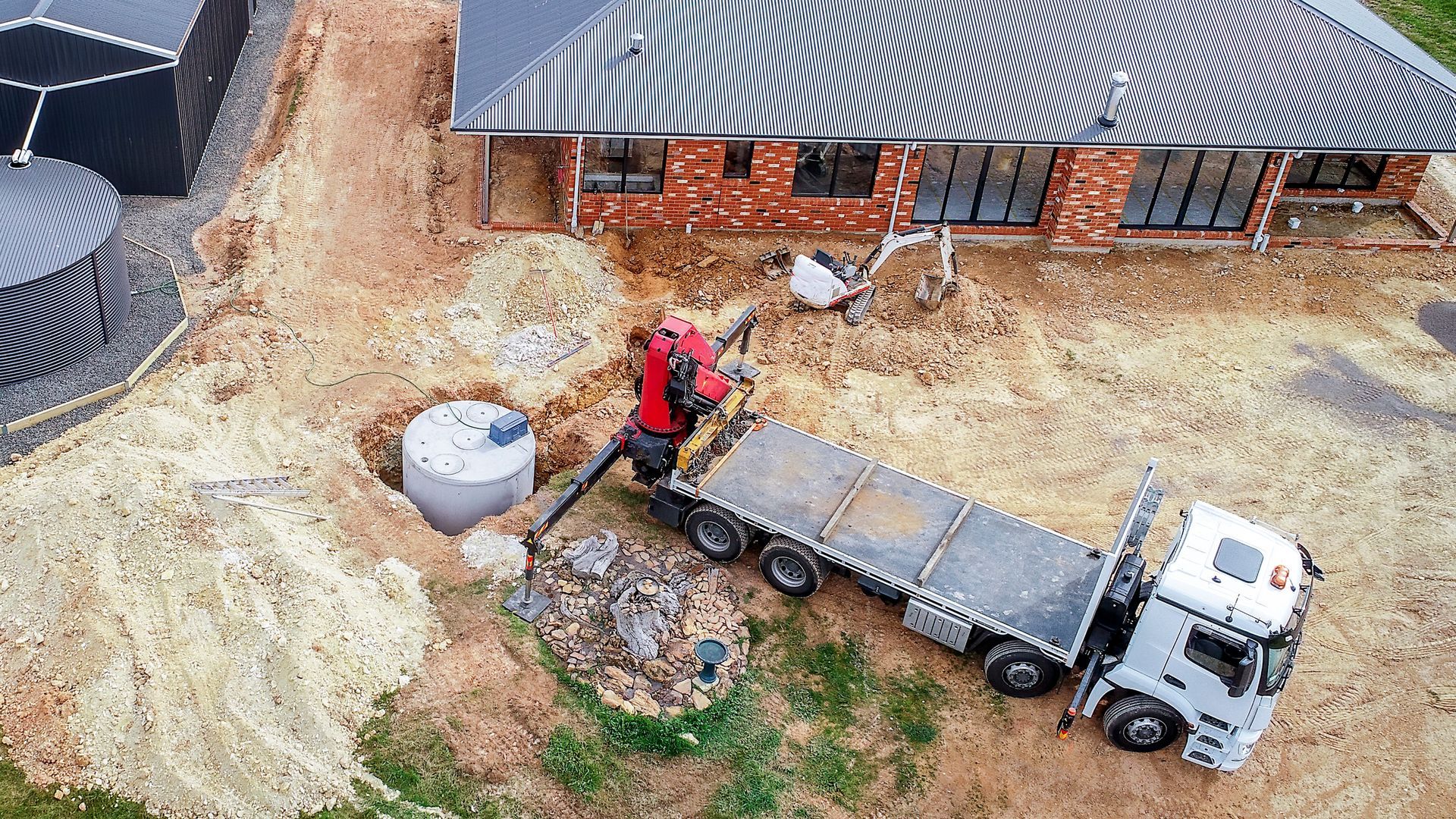
If you approve the recommended work, the crew completes it on site. Routine service can include pumping, cleaning, or minor repairs. Larger jobs may include installation or replacement of components. The team should tell you what work is being done before it starts, and how long each part is expected to take.
During the work, the crew follows safety procedures to protect people and property. Equipment is set up with care, and the area is cleaned up before the crew leaves.
Step Six: The Follow-Up Recommendation
The visit should end with a follow-up recommendation. This is a short plan that explains when the next pumping, inspection, or check should happen. It can also list any items you should watch for in the meantime, such as unusual odors or slow drains.
Keep this recommendation with your home records. It helps you plan ahead and avoid surprises. Many owners find that a steady schedule makes septic care far more predictable.
What to Prepare Before the Visit
A little preparation makes any septic tank services visit smoother. Clear a path to the tank lid if you can. Make a list of the symptoms you have noticed, and write down any questions you want to ask. Have your property records on hand if you have them, including past service reports or installation details.
It also helps to plan for a few hours at the property. Some visits are quick, while others take longer. Ask the office for an estimate of the time required, so you can plan your day.
Common Questions During a Visit
Visitors often wonder whether they need to be home. In many cases, an adult should be present to approve work and ask questions. Another common question is whether the system will be left in working order. A good crew restores the site and checks that the system is operating before leaving.
If you have concerns during the visit, speak up. The technician should welcome your questions and explain each step. Open communication helps the visit go smoothly for everyone involved.
Working With J & L Septic Tank Services
J & L Septic Tank Services LLC follows these steps on every visit, from the first call to the follow-up plan. The team is licensed, insured, and state certified to work on manufacturer septic systems. To schedule a visit or ask questions about the process, call
(910) 858-0097. You can also review our
septic maintenance and repair services or reach out through the
contact page. For directions and business details, check our listing on
Google Maps.